
From raw material to design signature: Brazilian natural stone takes centre stage in high-end architecture
With rare, traceable materials, the natural stone sector positions Brazil as a global reference in design and exclusivity.
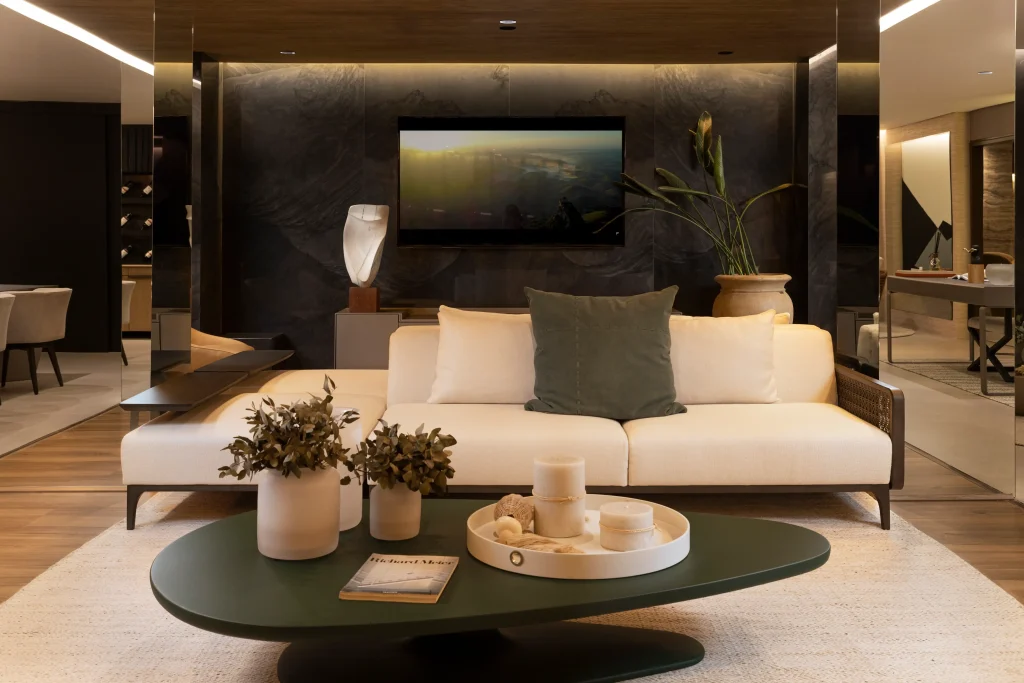
Contemporary architecture is going through a quiet but significant shift: materials have stopped being supporting players and become protagonists in shaping a project's identity. In this new landscape, natural stone takes on a central role, especially in high-end developments where authenticity and exclusivity have become baseline expectations.
More than cladding, natural stone is being used as a creative starting point in residential and commercial projects. Monolithic islands, vertical panels and backlit surfaces are some of the ways the material has come to define the aesthetic language of a space.
This movement follows a global trend of valuing what is natural and one of a kind. According to sector data, Brazil ranks among the world's largest producers and exporters of natural stone, with a consolidated presence in markets such as the United States and Europe. The country stands out not only for volume, but for geological diversity — a decisive factor in creating materials with a singular identity.
More than abundance, what gains relevance is rarity. Formed over millions of years, certain Brazilian stones display unique characteristics of colour, texture and composition, becoming high-value elements within contemporary architecture.
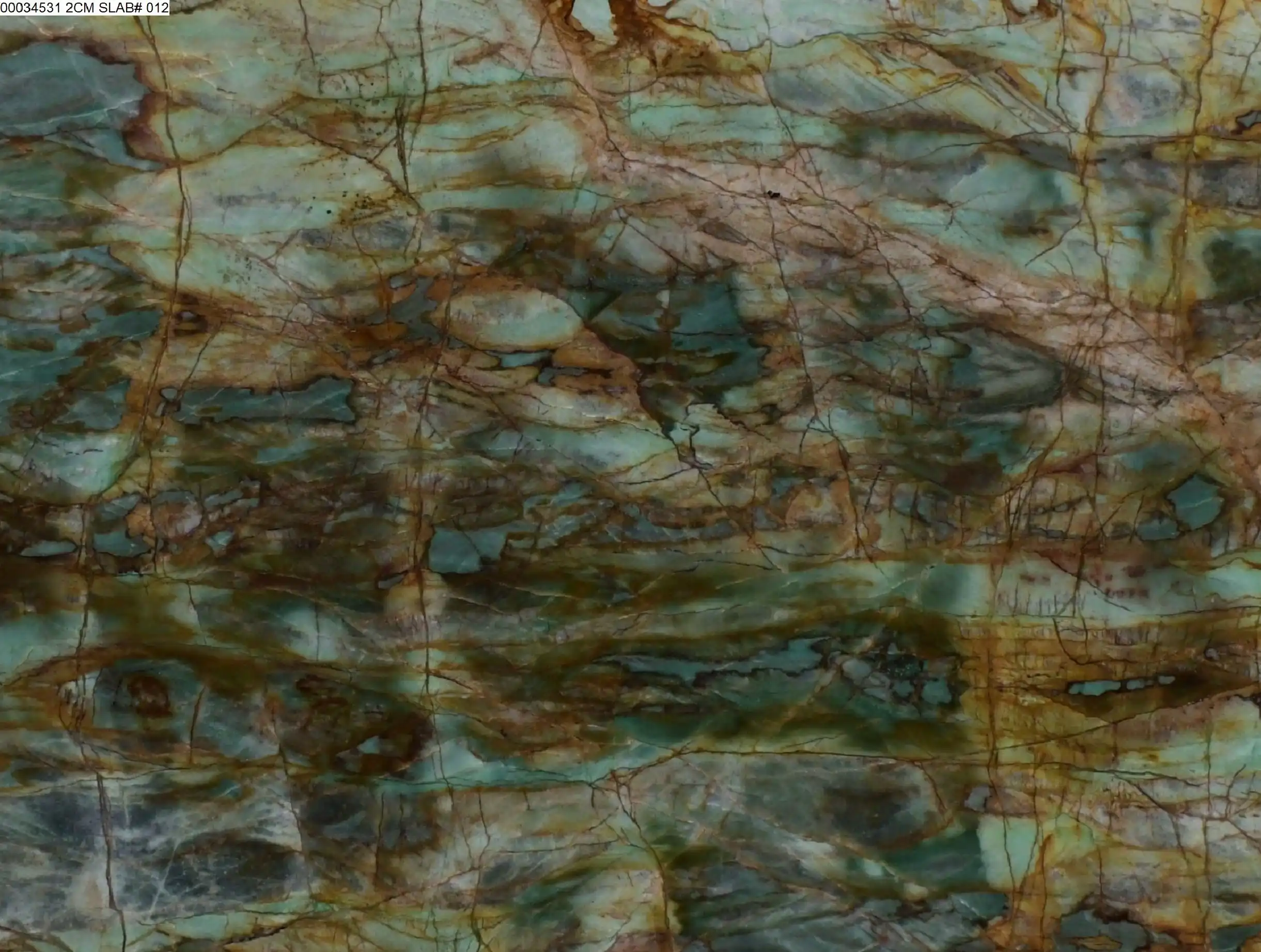
In this context, Pemagran Rochas Naturais, based in Cachoeiro de Itapemirim, reinforces its strategic position by acting as a curator of these materials. With its own quarries and an established presence in the domestic and international markets, the company connects architecture professionals to stones that express this new moment in the sector — one where origin, exclusivity and aesthetics move together.
"Today we see a clear change in how stone is perceived. It is no longer just a finish; it becomes the protagonist of the project. There is a growing search for materials with identity, materials that are unique — and that is exactly what Brazilian natural stone offers," says Mariana Sandrini, commercial director at Pemagran.
Among the materials that illustrate this transformation are the company's own natural stones, which combine visual impact and singularity, including:
- Crystal Vellarium: stands out for its translucency and warm-toned veining, allowing backlit applications that raise the material to an almost sculptural element within the space;
- White Crystal: reveals a lighter, more sophisticated aesthetic, with a bright, luminous base that expands spaces and enhances projects with a contemporary language;
- Wakanda: with a striking presence, it brings depth and personality, and is frequently used in proposals that seek contrast and a strong visual identity;
- Avalanche: draws attention for its intense movement and organic composition, creating surfaces that come close to true natural works of art;
- Sauípe: presents a balance between tones and textures, allowing versatile applications without giving up sophistication.
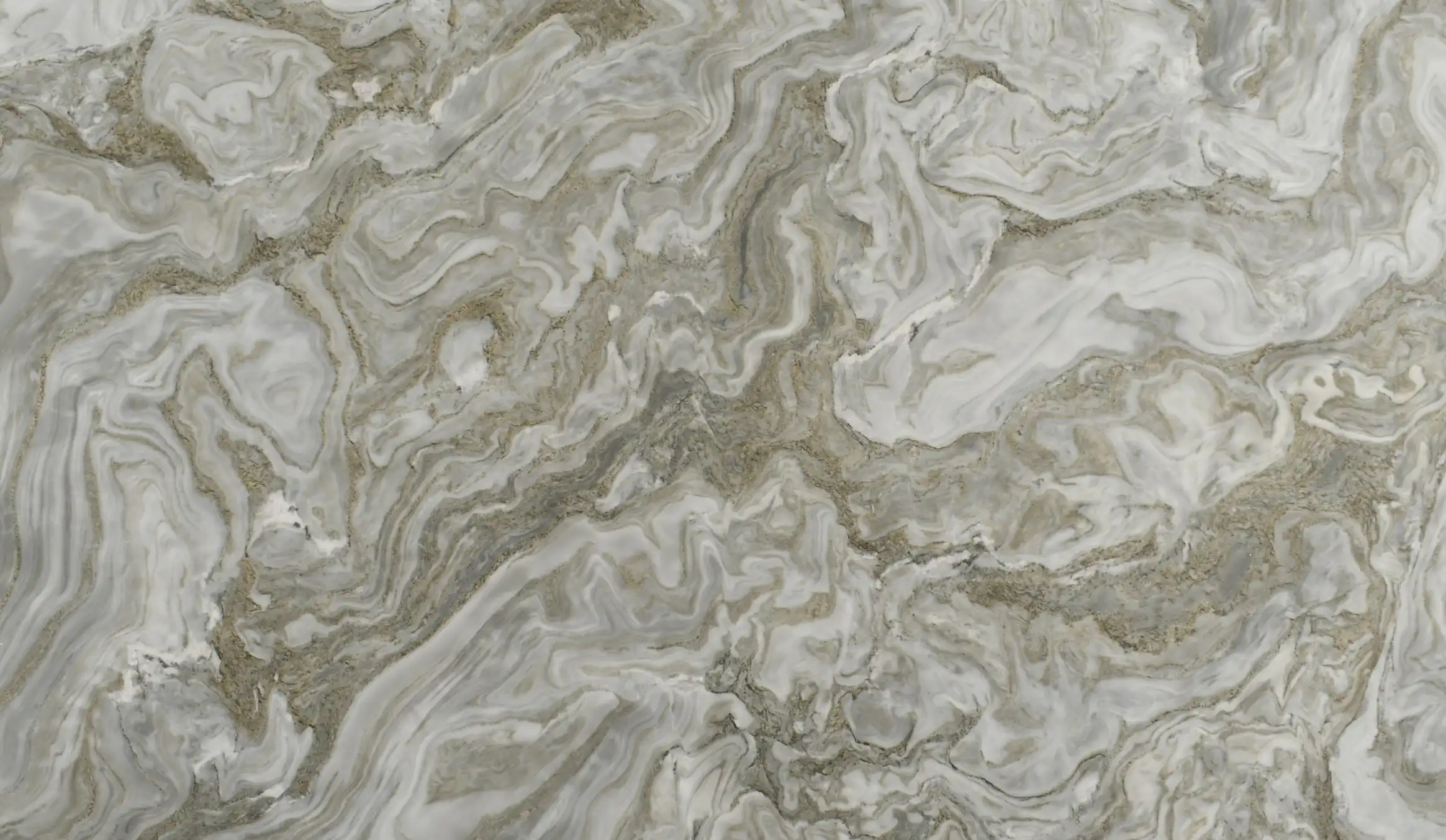
For Mariana, this set of materials represents a shift in mindset across the sector. "When we talk about rare stones, we are not talking only about aesthetics, but about origin, process and selection. There is real care in bringing to market materials that genuinely make a difference in the final result of the project," she adds.
With this new approach, natural stone leaves its secondary role behind and becomes a central element in creating spaces that seek more than beauty: they seek identity.
In a market increasingly driven by personalisation, rarity is no longer the exception — it becomes a choice.