Granite: the volcanic stone that revolutionized the use of exotic materials in architecture
Granite is an igneous stone formed from the slow cooling and solidification of underground magma at great depths. It is one of the most common stones in the earth's crust and is widely used in construction, architecture, decoration and interior design due to its beauty, durability and strength.

It brings in its composition, mainly three minerals: quartz, feldspar and mica. The proportion of these minerals varies, which results in different colors and patterns. Generally, granites are found in gray, white, black, red, green, yellow and brown colors.
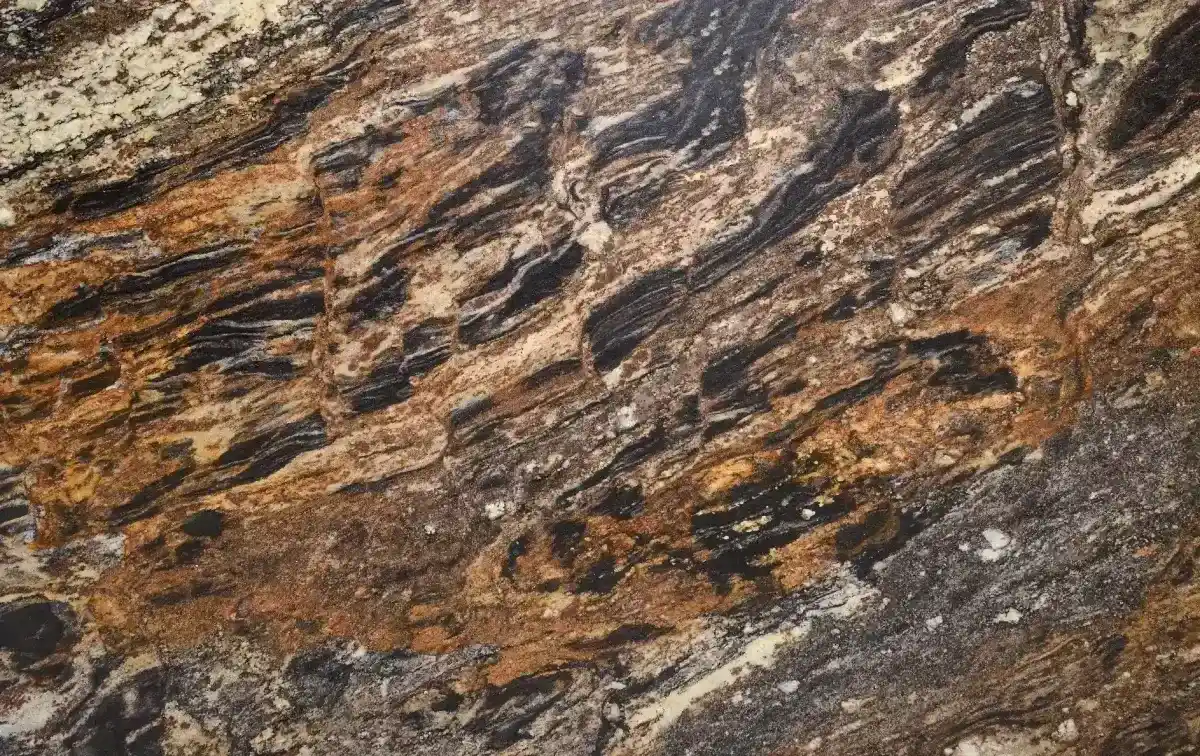
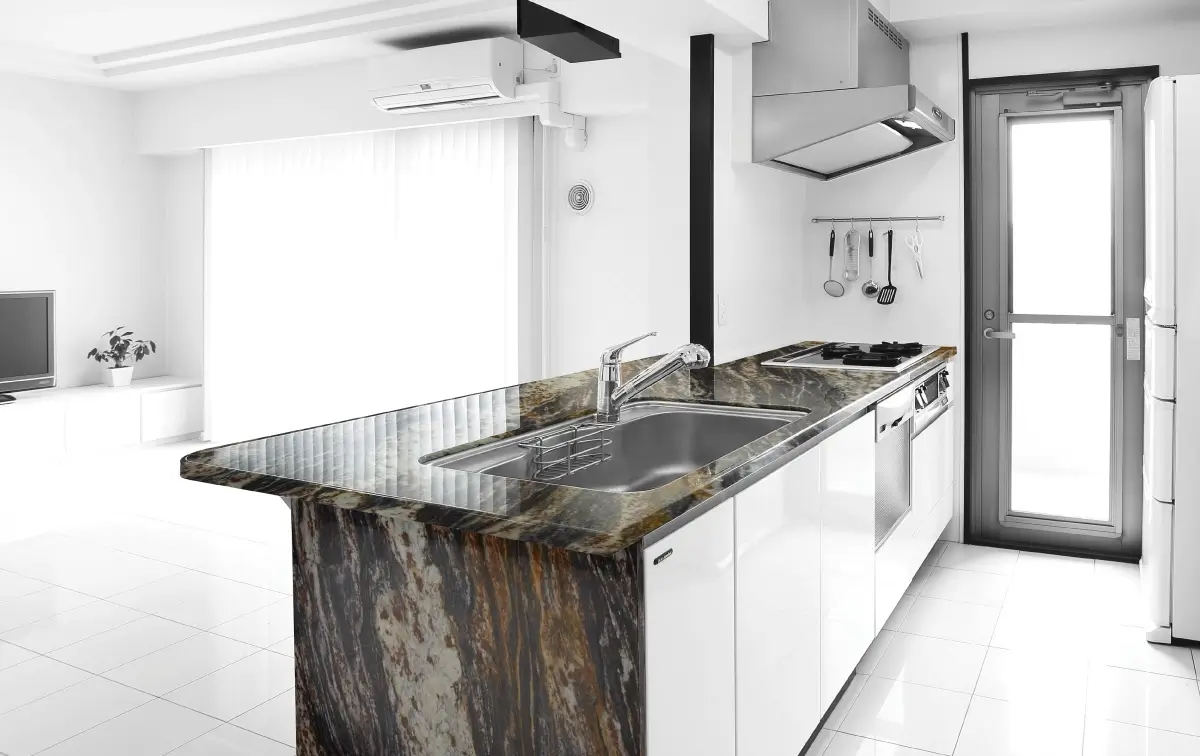
Brazil is a major producer of granite, with examples ranging from classic patterns to the most exotic. This wide variety of materials contributes to the country's prominent position in the global ornamental stone market.
The main granite deposits in Brazil are in Espírito Santo, Minas Gerais, Bahia and Ceará. In these regions, materials of different colors and grains are extracted, which are widely valued in the international market, such as Amarelo Oriental, Preto São Gabriel, Dalla White, Azul Bahia and others.