
The measure impacts segments that have lost competitiveness over the past decade and could otherwise lead a new expansion of Brazilian exports.
The new 25% additional tariff imposed by the United States on certain Brazilian imports, which took effect on July 22, represents a new challenge for Brazil’s natural stone industry. While a significant portion of Brazilian exports remains covered by the exclusion of HTSUS subheading 6802.99.00 (which includes, among other materials, Brazilian quartzites), granite, marble, and slate products now face a new trade barrier in their most important international market.
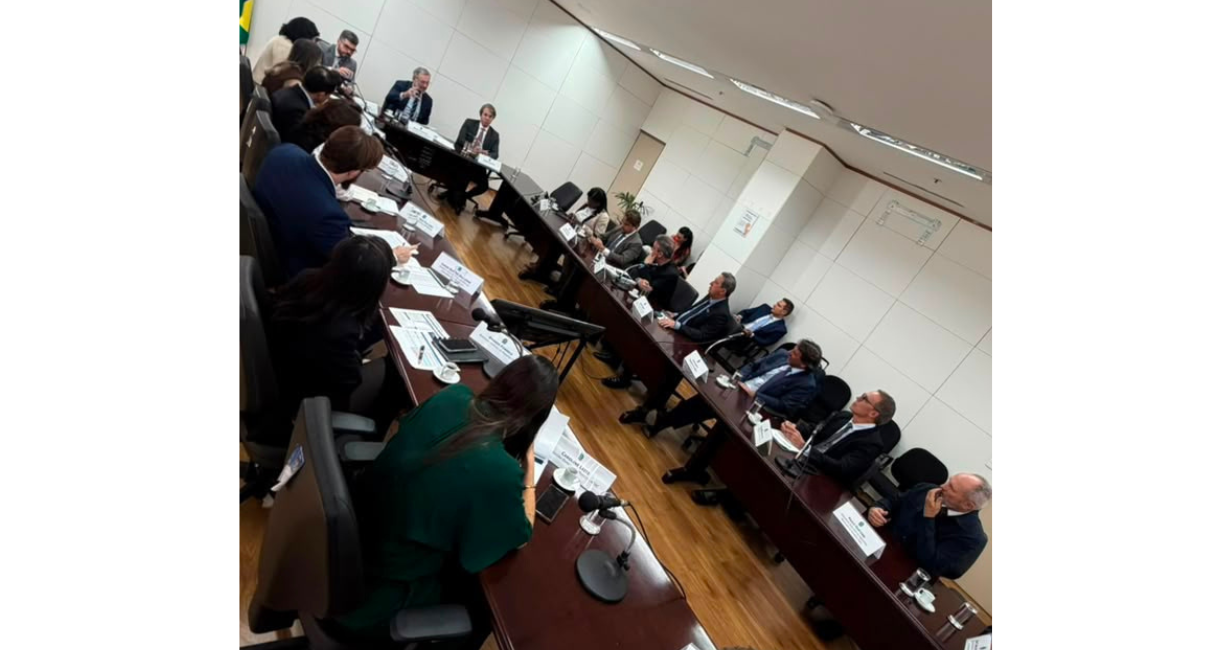
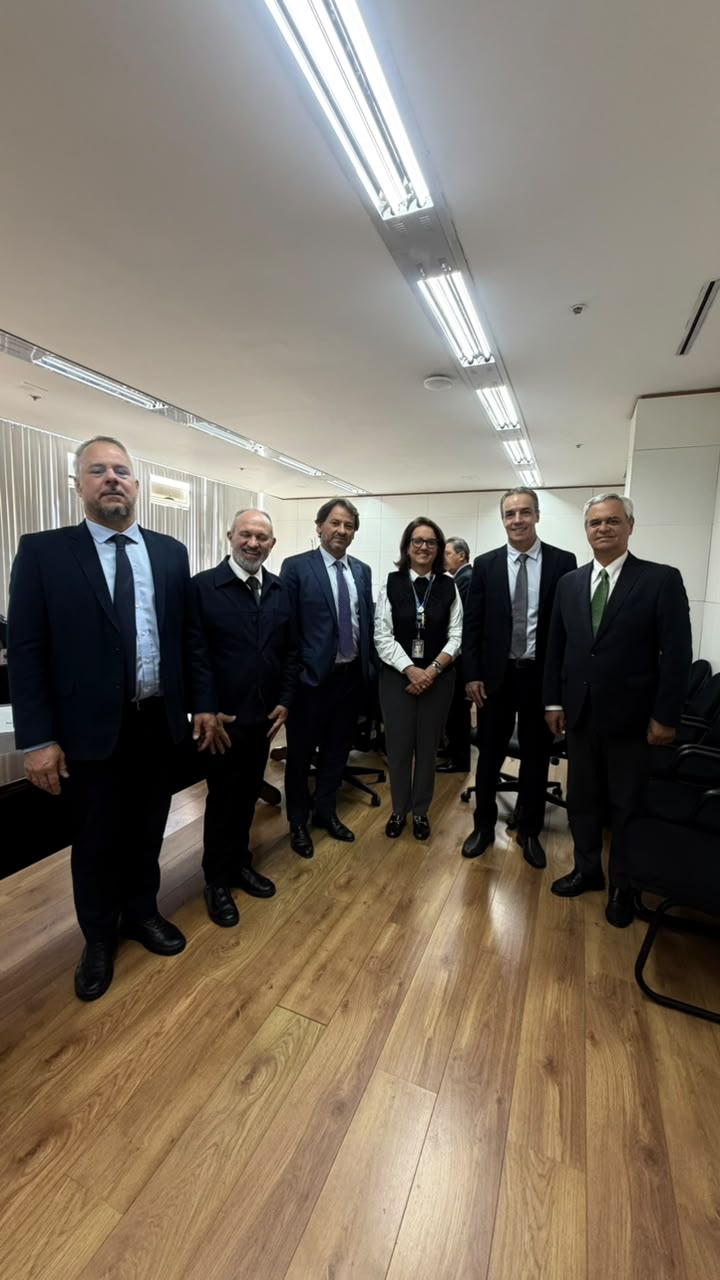
The Brazilian Natural Stone Association (Centrorochas) participated this morning in a meeting with officials from Brazil’s Ministry of Development, Industry, Trade and Services (MDIC), representatives of the Ministry of Finance, and Vice President Geraldo Alckmin, who also serves as Minister of Development, Industry, Trade and Services. The meeting, which included representatives from other business associations, provided an opportunity for Centrorochas President Tales Machado to reinforce that the new tariff alters the competitive landscape for products traditionally exported to the U.S. market.
“The industry is not facing merely a potential decline in current sales. This new trade barrier falls precisely on materials that have historically accounted for large export volumes and still have tremendous potential to expand Brazil’s presence in the U.S. market,” said Centrorochas President Tales Machado.
A Decade of Declining Competitiveness
About ten years ago, Espírito Santo, the leading natural stone exporting state in Brazil, responsible for more than 80% of the country’s natural stone exports, shipped approximately 3,500 containers per month. Today, that volume has fallen to around 2,500 containers per month.
This decline is the result of a gradual loss of competitiveness caused by factors such as rising logistics costs, infrastructure bottlenecks, port costs, and other obstacles associated with the so-called “Brazil Cost.”
During this period, the growth of quartzite exports helped offset part of this reduction in shipment volume. Thanks to their higher added value, these materials helped sustain the sector’s export revenue despite the declining competitiveness of traditional materials. “Quartzite has been essential in maintaining the sector’s performance, but it has not replaced all of the lost potential of granite and marble. The ideal scenario would be to preserve the competitiveness of traditional materials while also benefiting from the growth of quartzite,” explained Tales Machado.
Had this competitiveness been preserved over the past decade, combined with the growth of quartzite exports, the industry could now be exporting approximately US$2 billion per year, compared to the roughly US$1.5 billion recorded in 2025.
The United States Remains the Industry’s Leading Market
The United States has been the leading destination for Brazilian natural stone exports for more than two decades. In 2025, Brazil exported US$795 million worth of natural stone to the U.S. market, totaling approximately 587,000 metric tons. The country accounted for 53.6% of Brazil’s total natural stone exports.
Virtually all of this trade flow (99.9%) consists of semi-finished products, primarily slabs, which are processed in the United States into countertops, wall cladding, flooring, and other products for the residential and commercial markets.
The predominance of these semi-finished products means that the effects of the measure extend beyond Brazilian industry and impact multiple stages of the U.S. value chain.
“Brazilian slabs supply a broad network of American companies responsible for fabricating, distributing, installing, and selling these products. When the cost of this raw material increases, the entire supply chain is affected,” said the president.
Restoring Competitiveness Becomes Even More Challenging
The new tariff further increases the challenges Brazil faces in regaining market share in the very segments that have historically accounted for the country’s largest export volumes.
“The Brazilian natural stone industry has demonstrated its ability to adapt over the years, but competitiveness is not built solely within companies. It also depends on a predictable trade environment. This new scenario requires continued institutional engagement and public policies that enable Brazil to restore the competitiveness of the segments that have historically driven the country’s natural stone exports,” concluded Tales Machado.







See also
Record-Breaking June Brings ...
21 de July de 2026

Round of Negotiations create ...
20 de July de 2026
U.S. Maintains Part of Brazi ...
16 de July de 2026


