
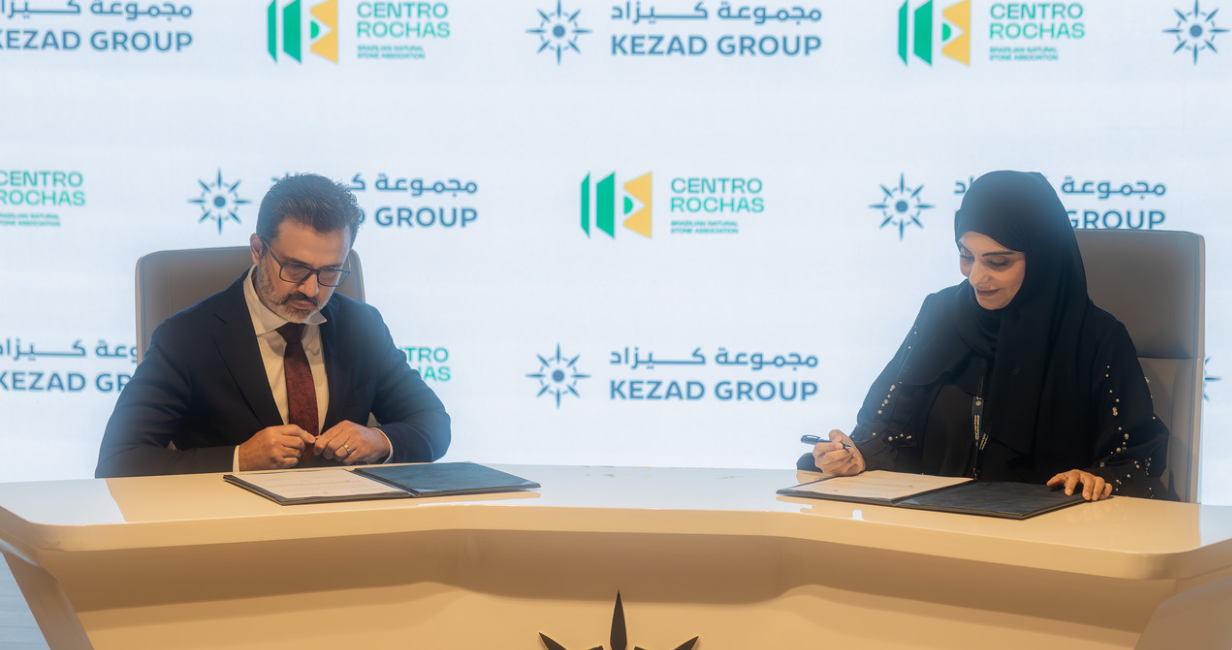
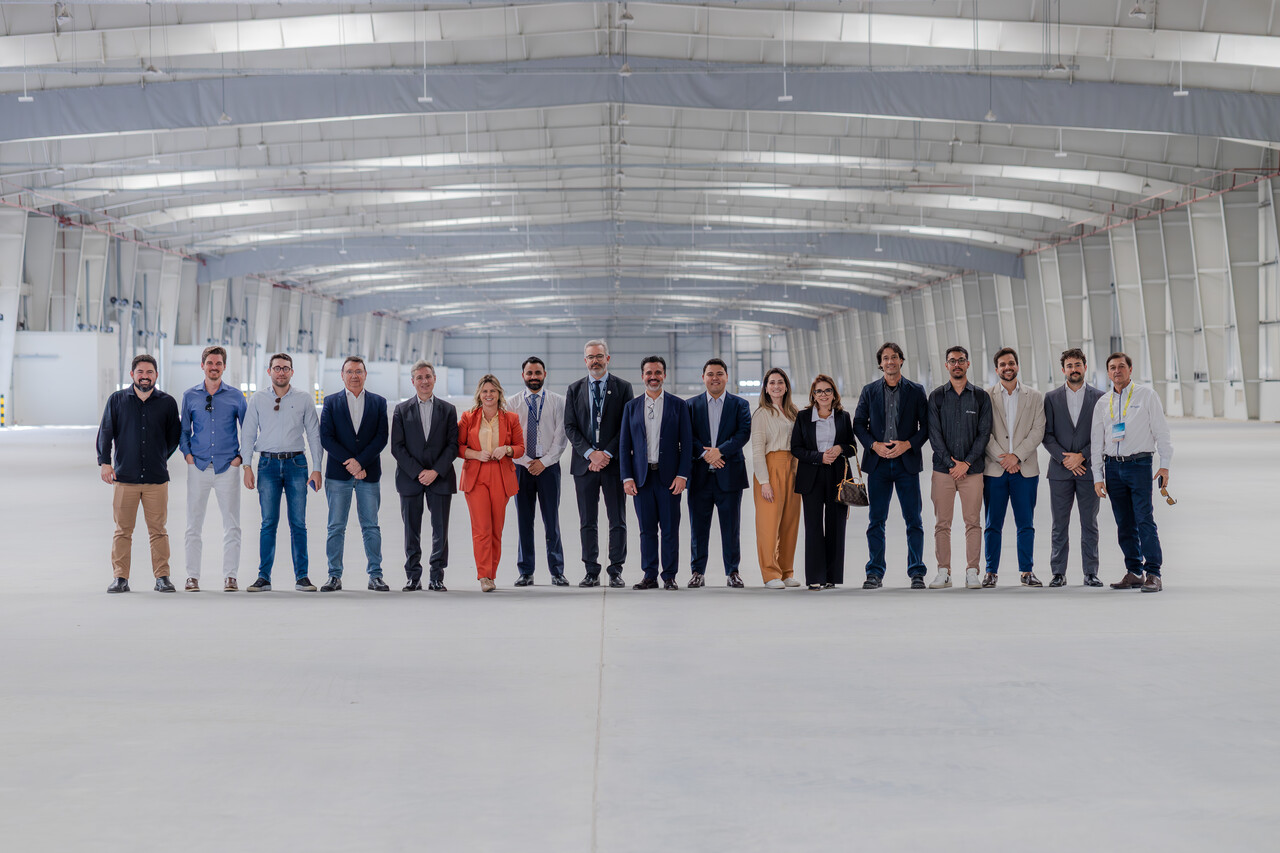
The agreement establishes the initial milestone for implementing the Brazilian Natural Stone Hub, a structure that will reduce logistics costs and enable inventory availability, improving Brazil’s competitiveness against Italy, Turkey, India, and China in the Gulf market.
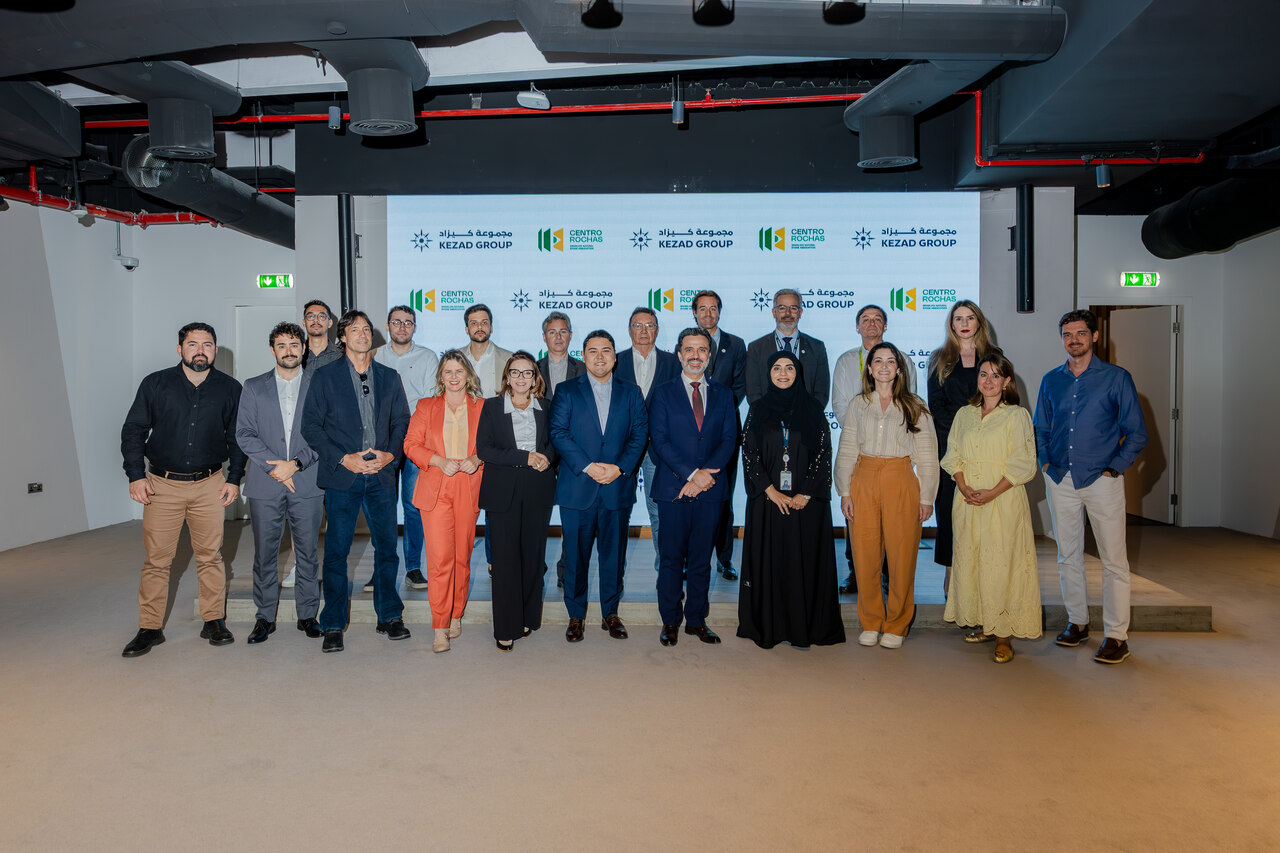
Abu Dhabi, November 27, 2025 – This Wednesday, November 26, the Brazilian natural stone industry took a new step in internationalization in the Middle East with the signing of a Memorandum of Understanding (MoU) between the Brazilian Natural Stone Association (Centrorochas) and the Abu Dhabi Ports Company, of the AD Ports Group. The agreement materializes the first institutional development towards the Brazilian Natural Stone Hub, a logistics and promotional center that will expand Brazil’s presence in the region and strengthen the competitiveness of Brazilian companies in a rapidly growing market.
The rapport with the Middle East has become more meaningful given the regional interest in high-quality natural materials. A prime example is the revitalization of nine floors of the iconic Burj Khalifa building in Dubai, which are being converted from commercial to residential use. The units are clad with the Brazilian quartzite Taj Mahal. “Even though its name is inspired by the Indian monument, Taj Mahal is the most well-known Brazilian material throughout the world. Extracted in the state of Ceará, in Northeastern Brazil, it has become synonymous with manifest elegance and luxury,” says Fábio Cruz, the vice-president of Centrorochas.
Although the volume of trade between Brazil and the Middle East is still small, the demand for natural stones has been growing consistently. Between January and October 2025, Brazil exported US$20.7 million in natural stones to the Middle East, a growth of 146.5% compared to the same period in the previous year. With US$13.5 million and an increase of 295.8%, the United Arab Emirates is firmly positioned as the main destination, followed by Israel (US$4.2 million; >99.7%) and Saudi Arabia (US$889.7 thousand). “The hub emerges precisely to accelerate this development, providing greater product availability, reduced logistics times, and a continuous institutional presence,” the vice-president emphasizes.
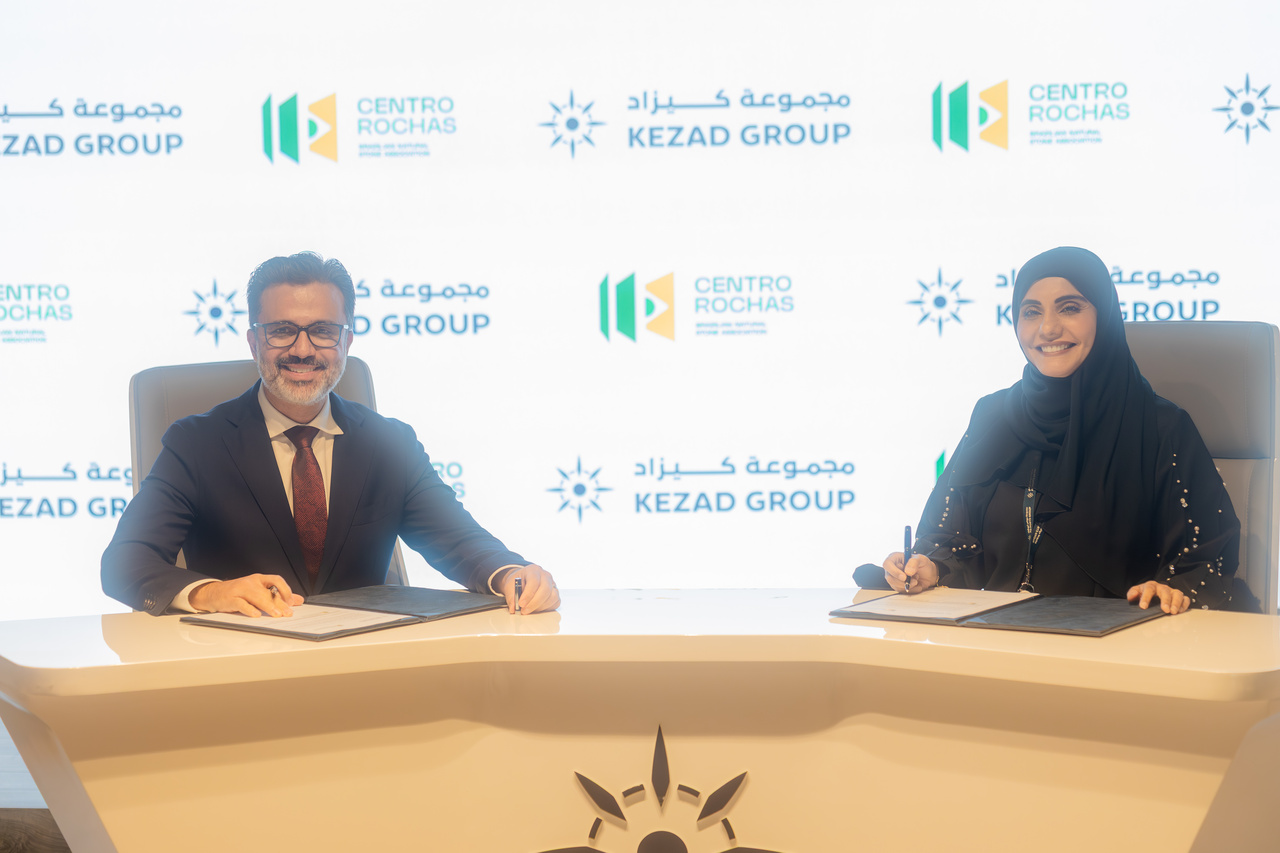
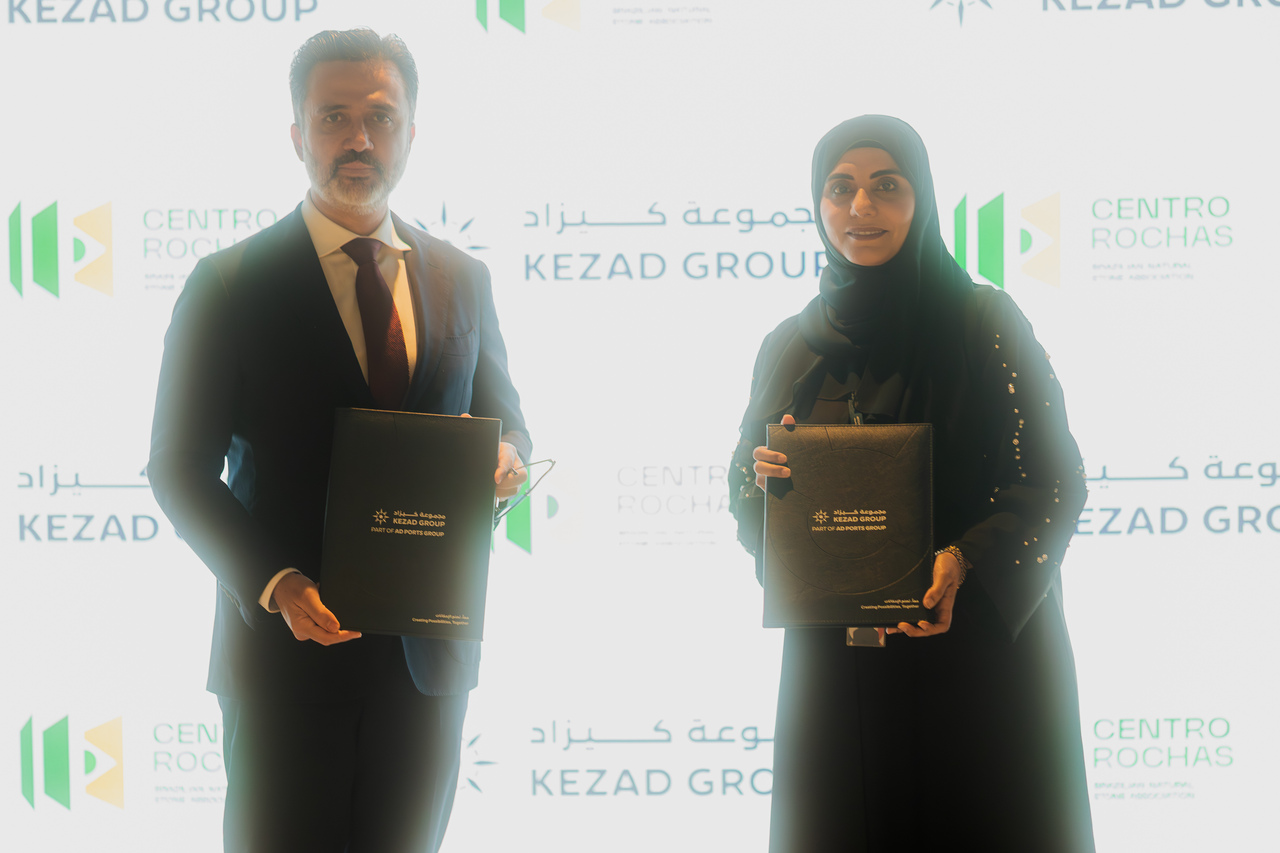
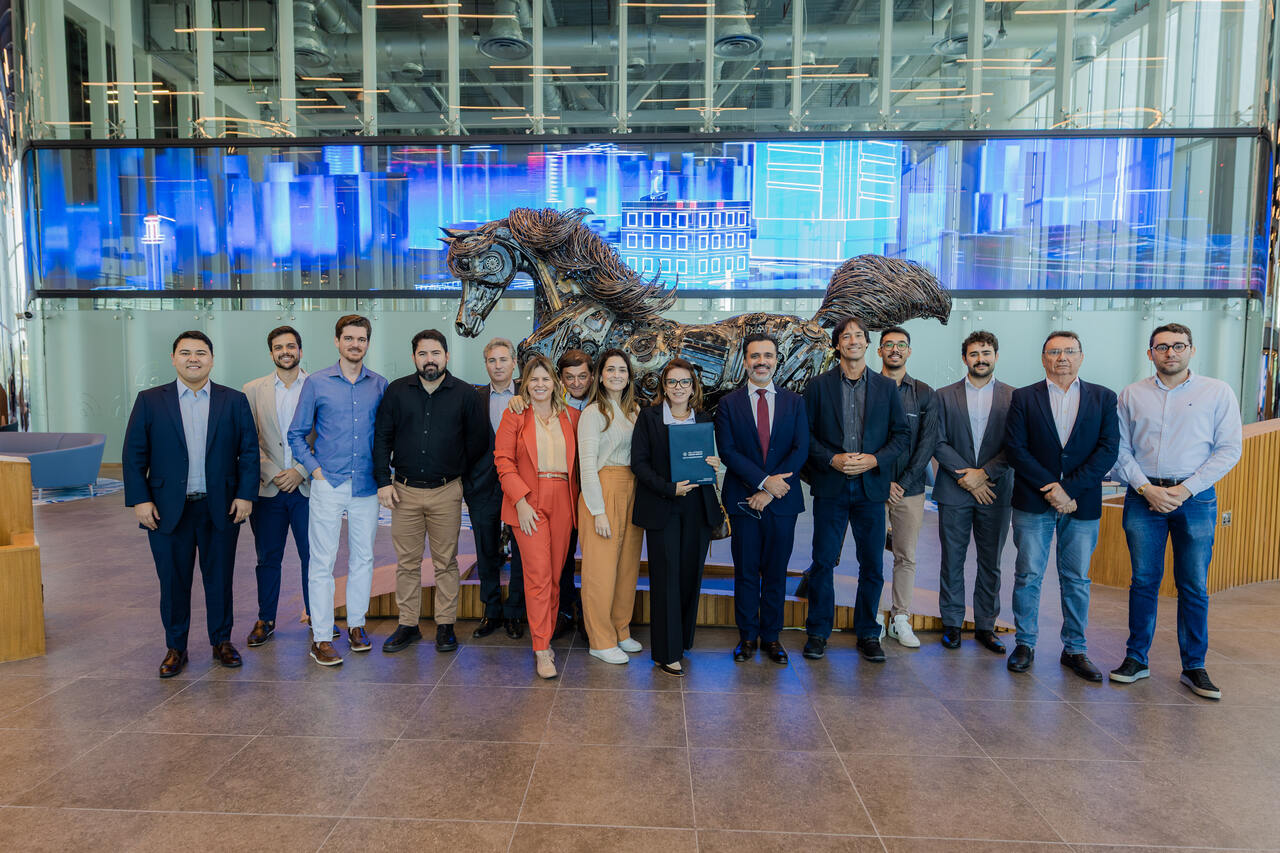
The memorandum signed by Fátima Mohammed Noorl Al Hammadi, the Chief Commercial Officer of the Kezad Group, and Fábio Cruz (Centrorochas) marks the beginning of a new phase for the Brazilian industry, which takes another step in creating its first permanent physical base in the region.
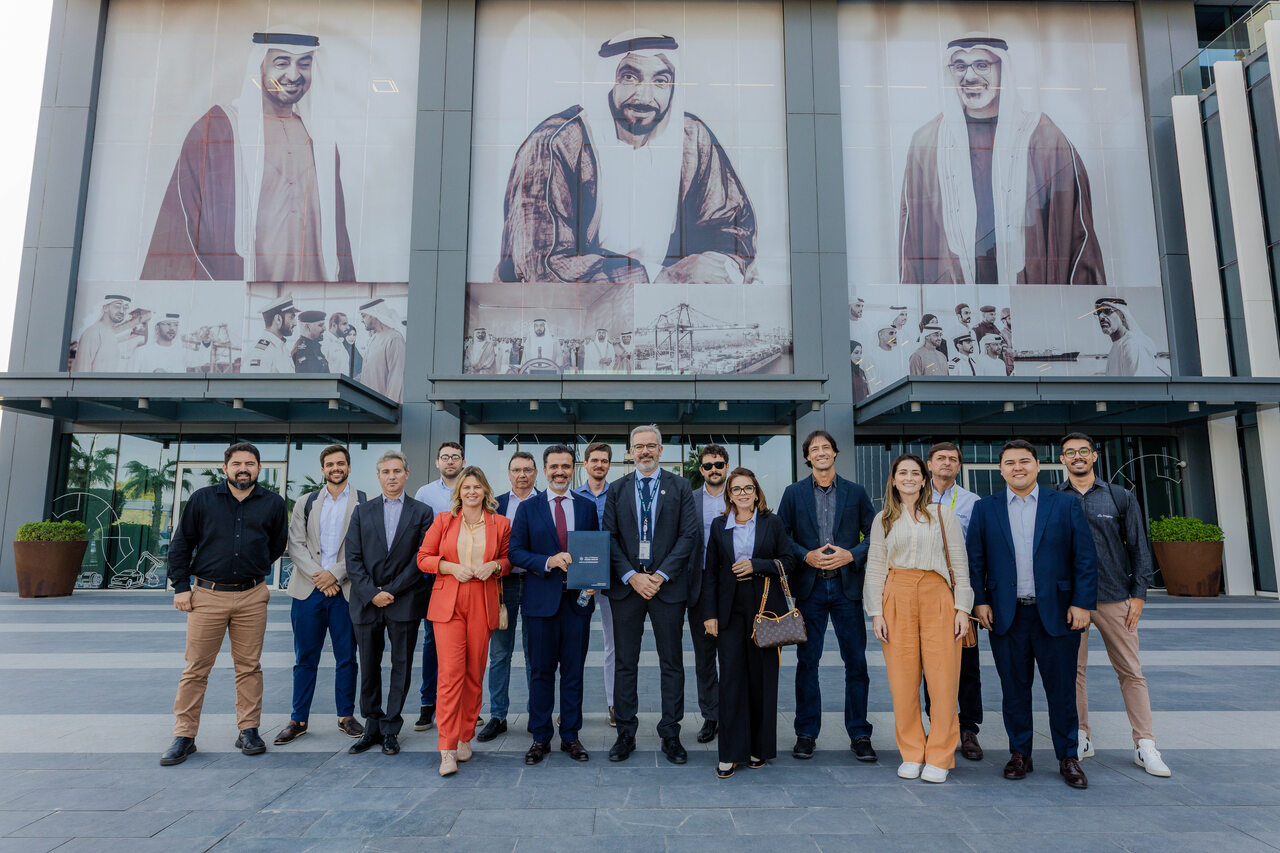
The signing took place during a ceremony held at Kezad One, a complex that is part of an industrial and logistics zone that covers 735.7 square kilometers, an area similar in size to Singapore. Members of the AD Ports Group team attended the event, including Ilson Hule, the Director of Commercial Strategies at the Port of Abu Dhabi, who played a decisive role in the institutional and operational coordination that enabled this milestone, bridging the gap between Brazilian priorities and strategic opportunities at the Port.
Brazilian delegation asserts sectoral leadership
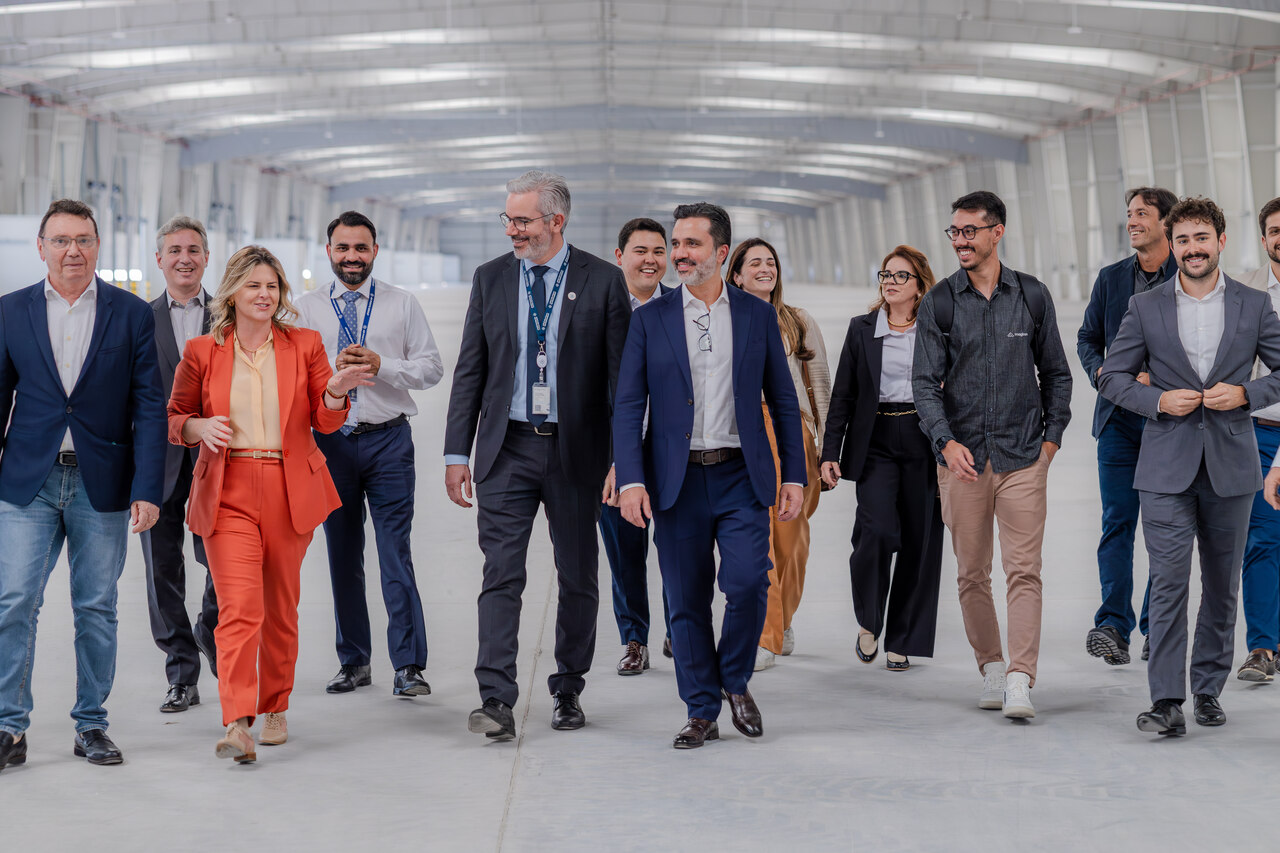
The event brought together a Brazilian delegation consisting of 15 representatives, including executives from six companies in the natural stone industry: Atlas, Gramil, Magban, MGA, MG2, and Milanezi Granitos. The president of the trade association Simagran-CE (Carlos Rubens Alencar); the CEO of Milanez & Milaneze, part of the VeronaFiere Group, and organizer of Marmomac Brazil (Flávia Milaneze); the executive director of Sama Venture Partners (Rodrigo Zingales); the manager of It’s Natural – Brazilian Natural Stone, the sectoral project developed by Centrorochas in partnership with ApexBrasil (Thiago Fukuda); and the head of communication for the sector (Karina Porto-Firme) also attended the ceremony.
Brazilian Natural Stone Hub
The creation of the hub fulfills a long-standing demand from the industry: to reduce the logistical distance separating Brazil from the main consumer centers in the Gulf, an advantage that already benefits competing countries such as Italy, Turkey, India, and China.
With the hub, Brazil will have a location for storage and inventory for immediate delivery, a permanent platform for trade promotion, and a continuous institutional presence in one of the largest expanding markets in the world. The Middle East is already one of the drivers of growth for Brazilian stone exports: between January and October 2025 alone, Brazil sold US$20.7 million in materials to the region (a growth of 146.5%).
Round of Negotiations in Dubai enhances development towards the Hub
The commercial phase held before the ceremony to sign the MoU on November 24 played a strategic role in the strong Brazilian presence in Abu Dhabi. “Brazil Stone Connection: Middle East Edition” arranged 81 business meetings in a single day, connecting 15 Brazilian companies with six select buyers from Dubai and the surrounding region.
The interest of the buyers led to the perception that the Middle East requires competitive suppliers and unique materials, attributes in which Brazil excels globally.
This mobilization also resulted in one of the largest delegations ever assembled by the industry in the region, strengthening the institutional relevance of the initiative carried out by It’s Natural – Brazilian Natural Stone and promoted by Centrorochas and ApexBrasil. The companies Amagran, Atlas Mármores, Bramagran, Brasigran, Gramil, Magban, Magnitos, Marcel, MG2, MGA, Milanezi, Monte Negro, Pedra do Frade, Poliex, and Yellow Stone participated in the negotiations. They presented their lines of quartzites, marbles, and granites to a market with great technical and aesthetic demands.
Lorem ipsum dolor sit amet, consectetur adipiscing elit. Ut elit tellus, luctus nec ullamcorper mattis, pulvinar dapibus leo.
See also
Natural stone industry bring ...
23 de February de 2026
São Paulo hosts internation ...
3 de February de 2026
Brazil will expand dialogues ...
29 de January de 2026


