
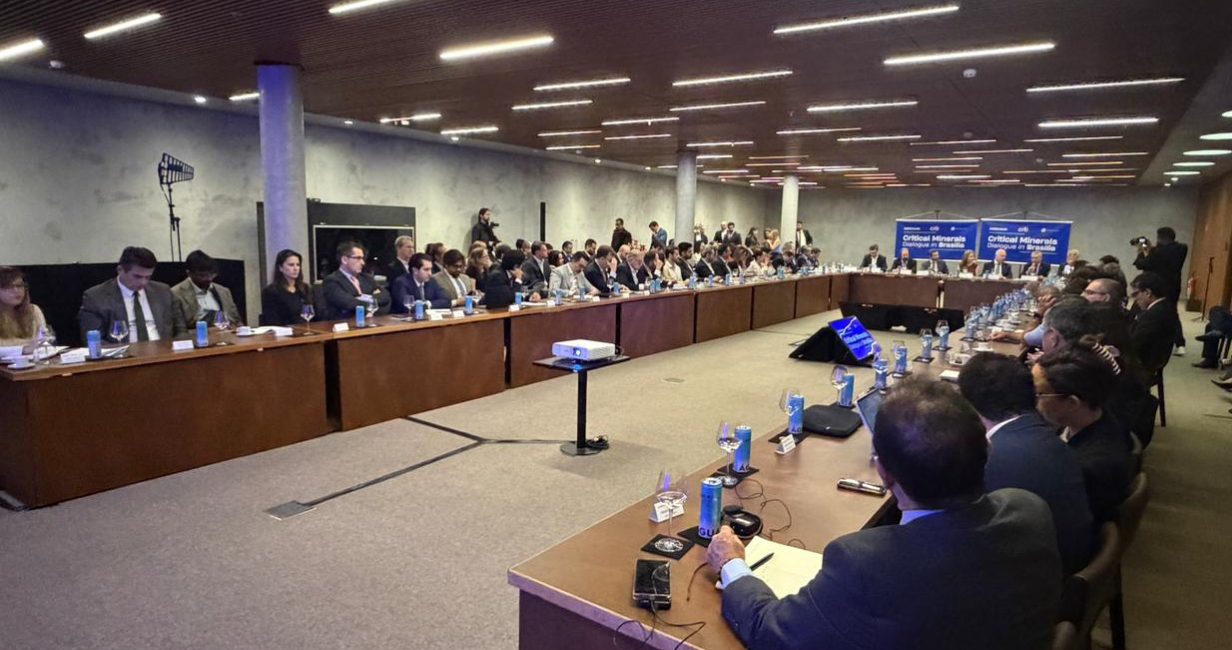
Centrorochas’ participation in an event organized by Amcham Brazil, Citi and the U.S. Chamber of Commerce underscores the need to expand discussions on strategic minerals and critical supply chains.
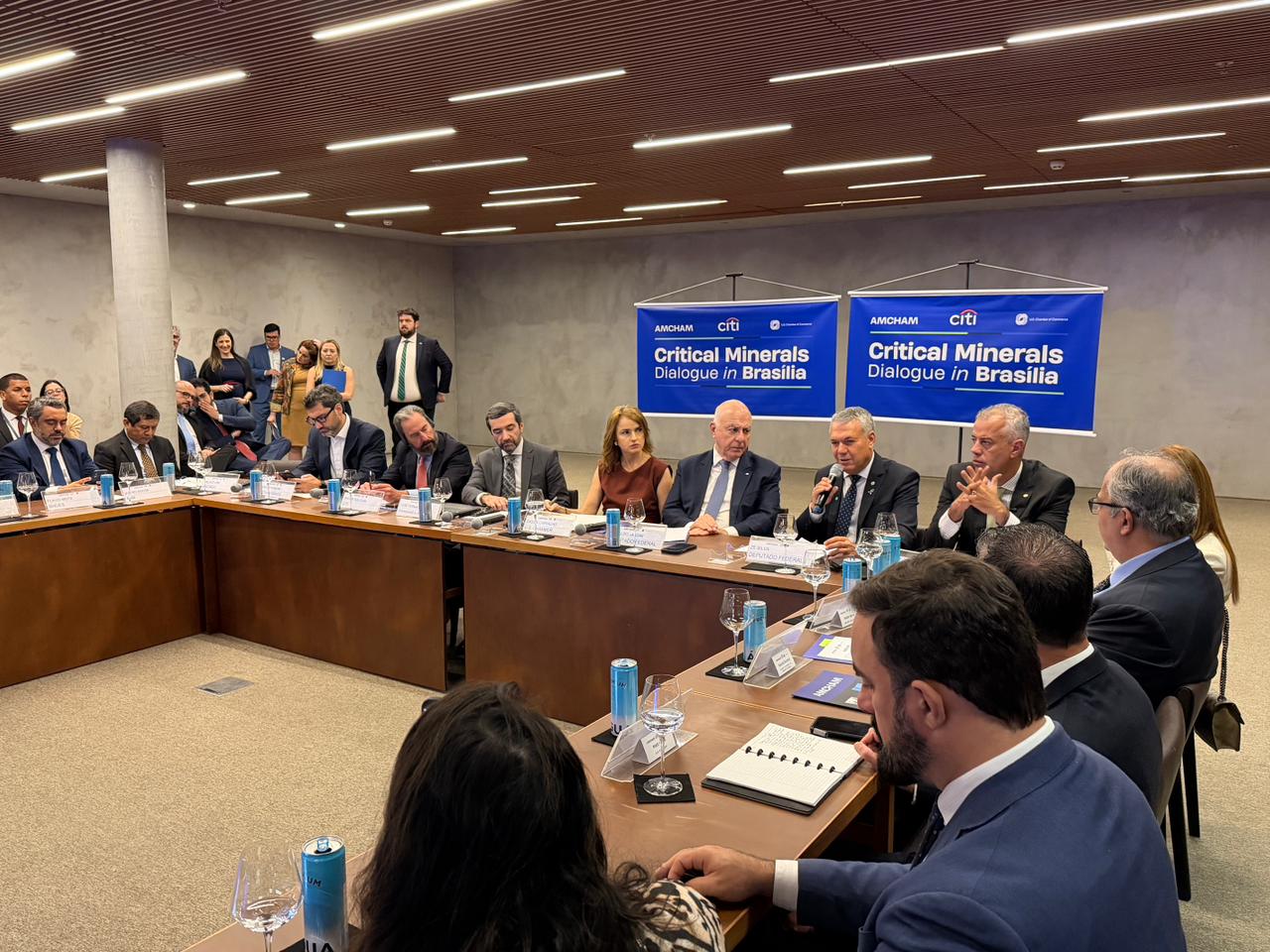
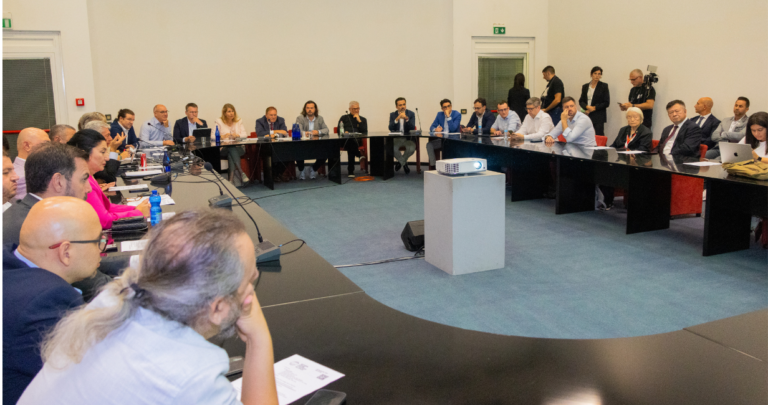
On May 26, Brasília hosted one of the most prominent recent forums focused on strategic minerals, supply chains and economic cooperation between Brazil and the United States. Organized by Amcham Brasil, Citi and the U.S. Chamber of Commerce, the “Critical Minerals Dialogue in Brasília” brought together government officials, members of Congress, investors and business leaders to discuss regulatory frameworks, investment, and supply-chain security.
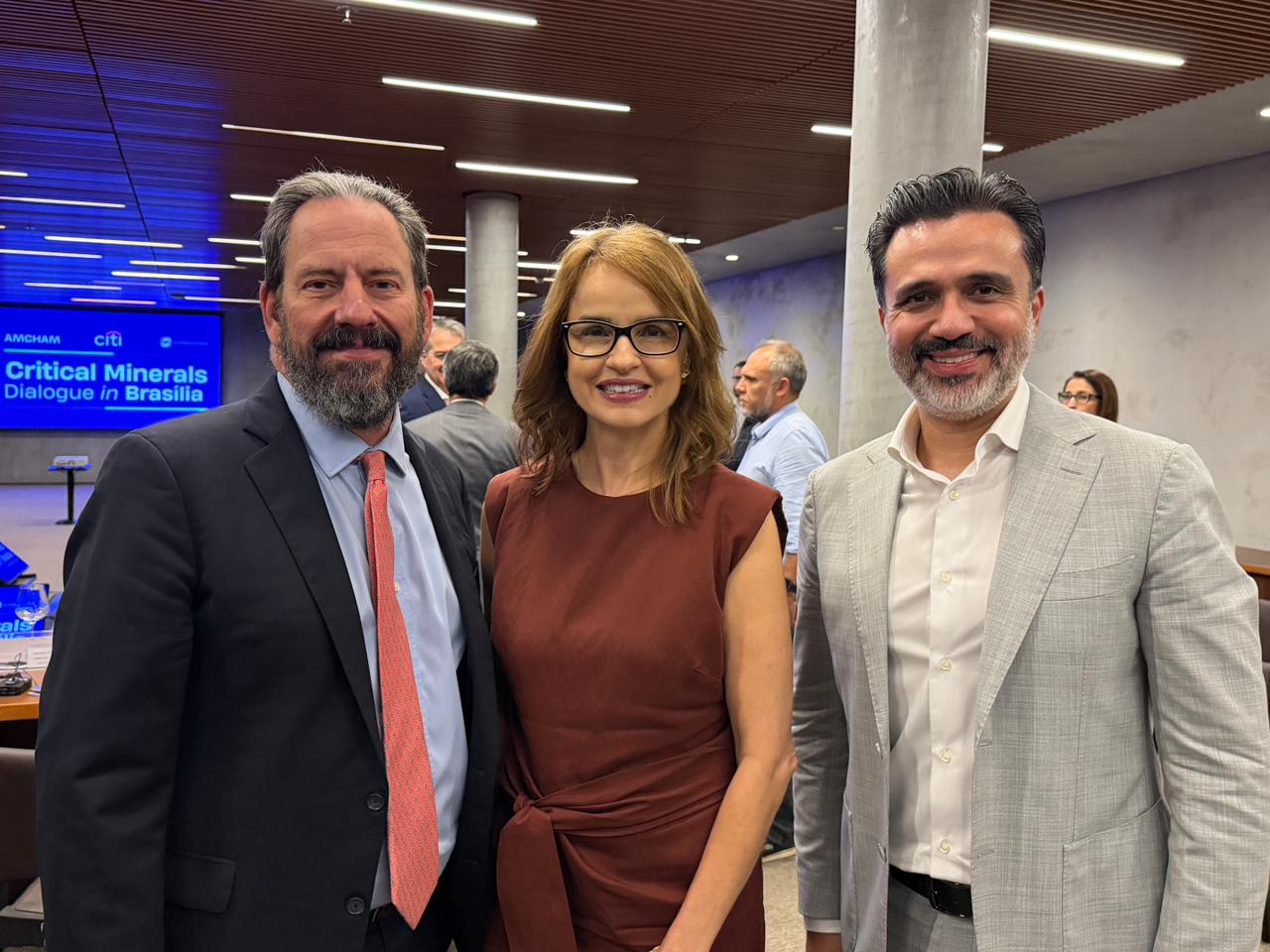
Representing Brazil’s natural stone sector, the Brazilian Natural Stone Association (Centrorochas) took part in the event, reinforcing an agenda that has gained momentum in recent months: integrating Brazilian natural stones into discussions on strategic minerals and critical supply chains.
Speakers agreed that Brazilian natural stones are not the same as rare-earths or metallic critical minerals, yet they carry strategic importance because of their economic, industrial, regional and export roles, and because they are already integrated into essential supply chains, particularly those serving the U.S. construction market.
“The sector is part of a non‑metallic minerals supply chain directly linked to the U.S. construction industry, especially for high‑value applications such as kitchen and bathroom countertops,” said Fábio Cruz, Vice‑President of Centrorochas.
U.S. signals closer engagement with Brazilian private sector
At the event, Gabriel Escobar, Chargé d’Affaires of the U.S. Mission in Brazil, reaffirmed the United States’ interest in expanding dialogue with the Brazilian private sector on issues related to supply chains, investment and strategic industrial cooperation.
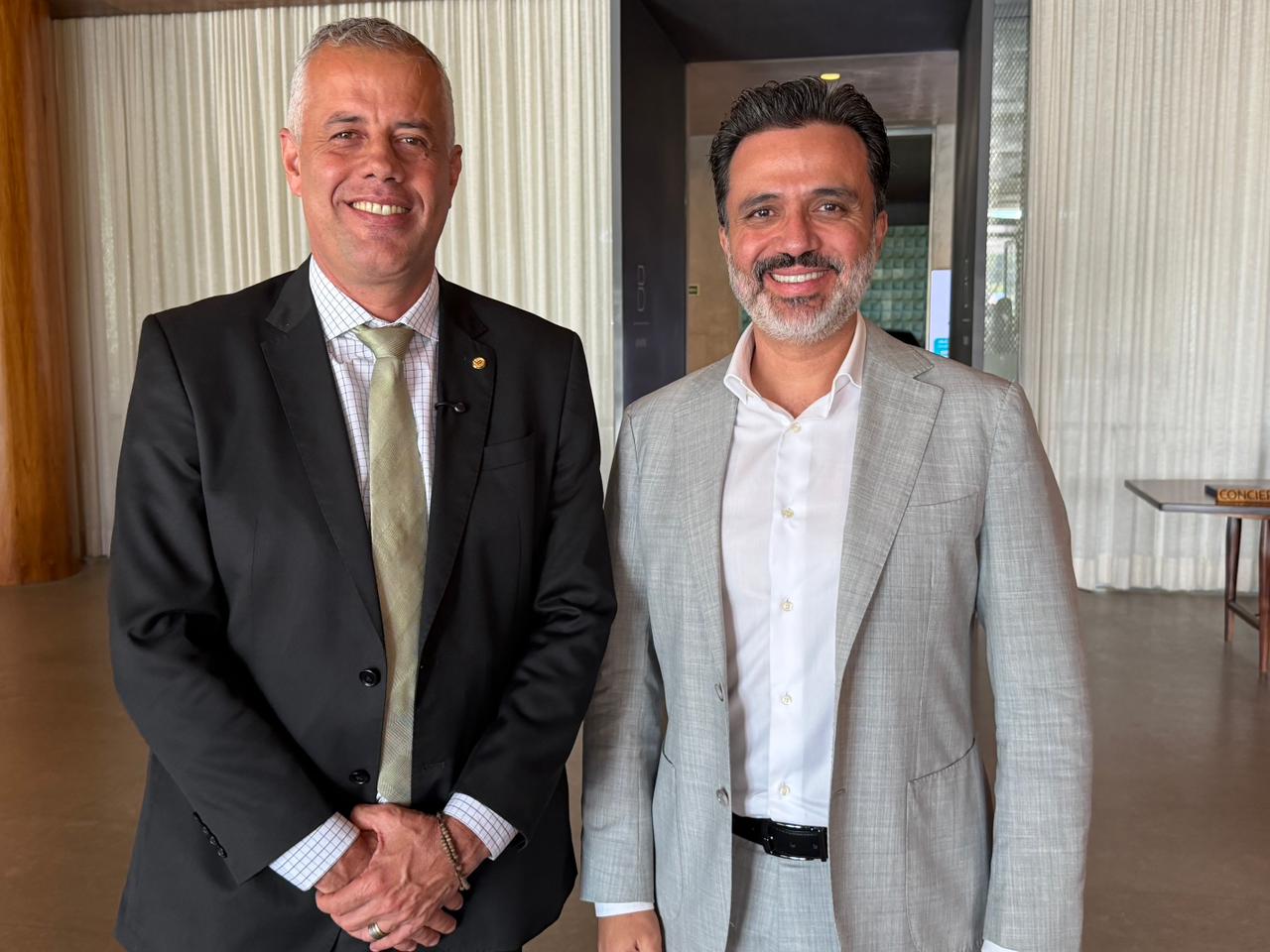
In this context, Federal Deputy Evair de Melo highlighted the relevance of Brazilian natural stones to the strategic minerals and value addition agenda. “The world is focused on strategic minerals right now, but we must widen the lens to include other natural materials. When Brazil exports quartzite, granite and marble, it is also exporting the minerals contained in those stones, such as lithium, mica, feldspar, quartz and limestone. Brazil’s natural stone sector is part of this strategic minerals and supply‑chain agenda,” the deputy said.
His remarks echo discussions around Bill No. 2,780/2024, which establishes the National Policy for Critical and Strategic Minerals (PNMCE). Introduced by Deputy Zé Silva and with Deputy Arnaldo Jardim serving as rapporteur, the bill aims to broaden the definition of strategic minerals to encompass resources that contribute to trade surpluses, regional development, value addition and industrial strengthening, even when they are not directly linked to the energy transition. Both deputies attended the event alongside Deputy Evair de Melo.
For Centrorochas, participating in the Dialogue is part of a structured business‑diplomacy strategy the sector has pursued since 2025 following the announcement of U.S. tariffs. The initiative has expanded the industry’s institutional engagement in the United States, particularly on matters related to strategic supply chains and the regulatory environment.
“Brazilian natural stones have a rightful place in conversations about strategic minerals. The sector’s involvement reflects the maturation of a policy agenda focused on strengthening Brazilian industry, promoting regional development and positioning Brazil in strategic global supply chains,” the Vice‑President concluded.
See also

Brazil repositions the natur ...
24 de March de 2026
Global natural stone federat ...
22 de January de 2026
Despite heavy tariffs, Brazi ...
11 de December de 2025


